Where to begin?
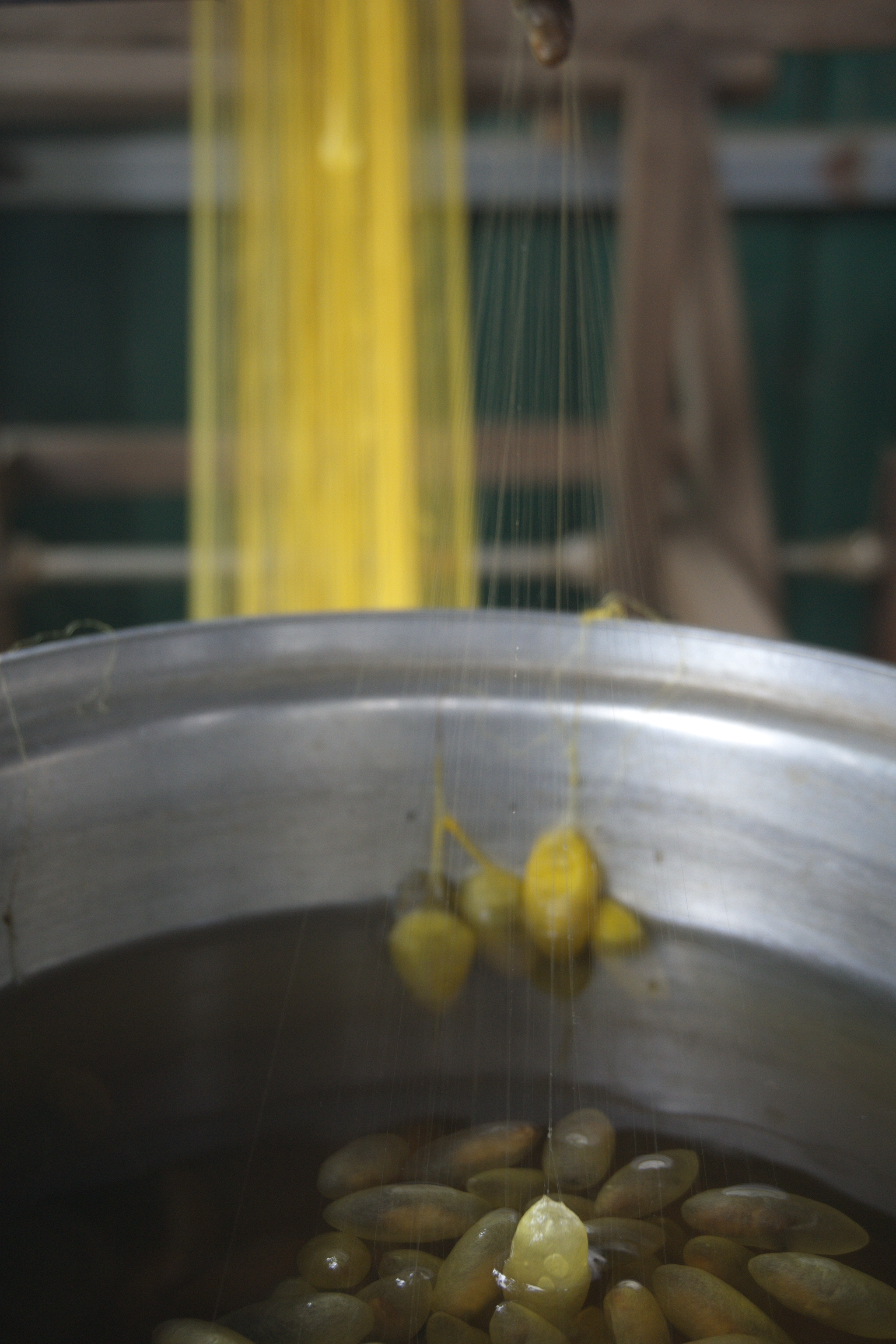
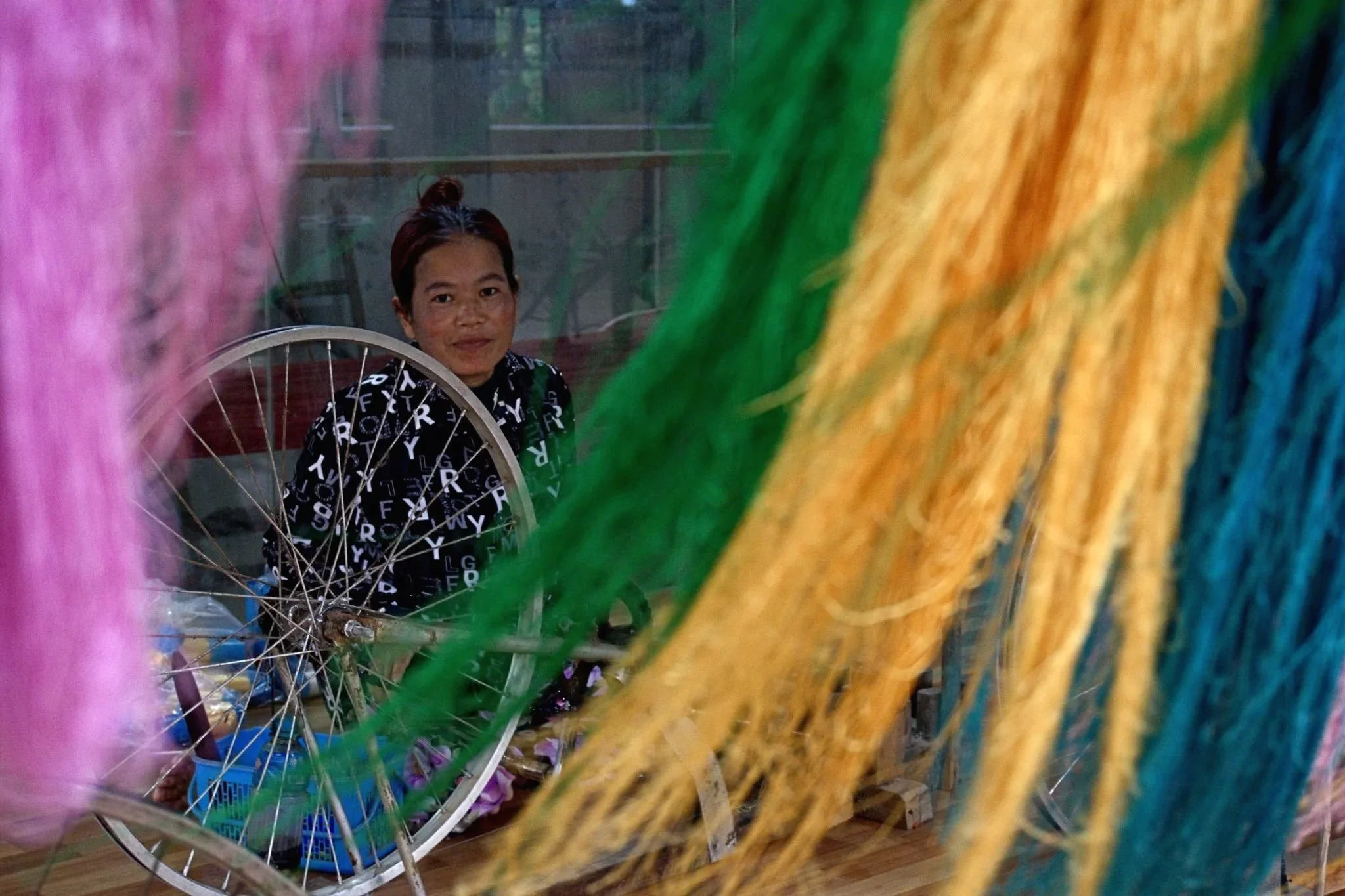
One of the first things I did when I moved to Cambodia over two years ago was buy a sewing machine. After all, when in Rome…or Siem Reap in this case. I thought it would be the perfect place to hone my sewing hobby, a sort of textile paradise. And it is, in a way. I never did take any classes, but I fell in love with the flamboyant fabrics at the local markets, and started wondering how they were actually made: the patterns look traditional, but composition seemed not that natural, and the supply chain not that local, or ecological.
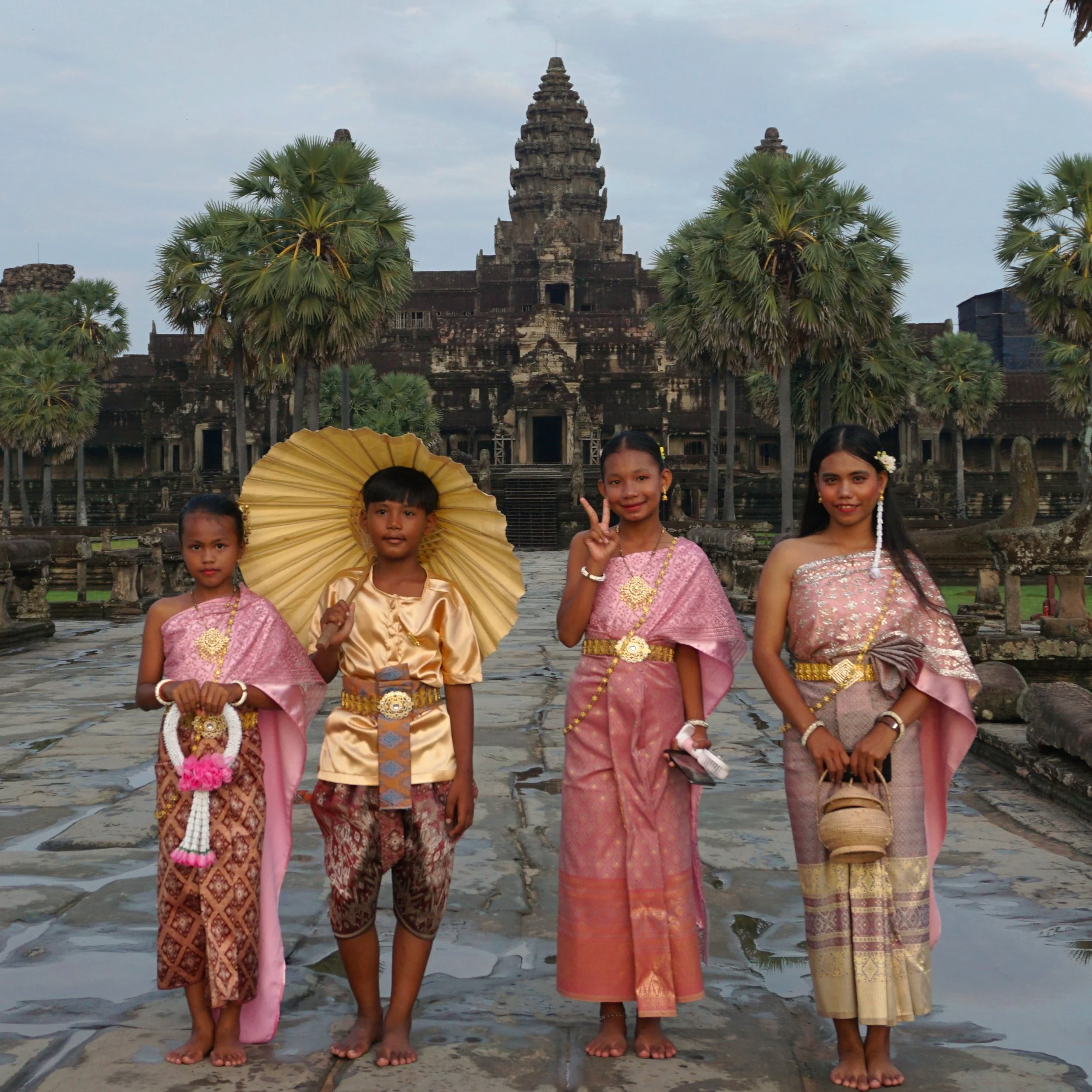
At the same time, a handful of social enterprises around the city promote that same traditional knowledge, presenting it as innovative material and luxury goods, with workshop tours included. But can craftsmanship survive without tourism? And what does it do to a tradition, and the meaning behind it, when it becomes a touristic product, or simply a company modelled and managed by foreigners?
Hello there!
So I haven't introduced myself yet: my name is Lucie. Long ago, before I moved to Cambodia thanks to my job as the Communication Manager of Sala Baï, a French NGO providing all-included one year vocational training to underprivileged young Cambodians (always a mouthful), I was a traveler. And a dreamer always.
So right after my master I left France with my thumb up to meet the world and its people by crossing the continent overland. The destination: South-East Asia. It was 2020…As you can imagine, even with all the privilege of my French passport, it soon became challenging to cross borders. But I'm stubborn, so it just got way slower. I never made it passed the middle east, but they do say that the destination doesn't matter, it's the way that counts. It's true.
I spent 2 years as a nomad, working and volunteering here and there, notably 6 months in Greece, 5 months total in Turkey, and 5 months in Iraq where I volunteered in an IDP camp in Kurdistan and then became one of the first tourists in the wider part of country when the Pope opened the way (it’s a long story). Anyways, after 2 years I had to get back home rather suddenly. I did get to Southeast Asia in the end, but by plane, skipping all the good parts.
My contract just ended, so at last it's the perfect time to explore the region. But this time, I want to go further: not simply explore, but investigate and share. I want to be independent, to challenge myself physically and humanly (if that's a word), reach and connect with secluded communities and share all of that as a celebration of diversity and beauty.
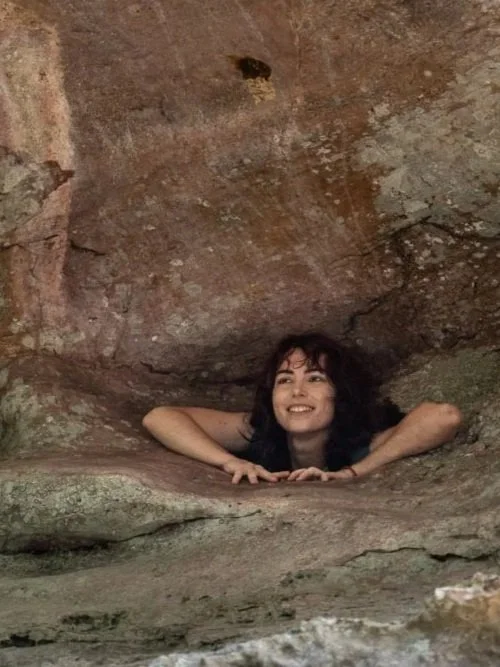

Any questions?
Here are mine:
Question 1
Can these slow, traditional ways of producing textiles actually survive - and challenge - the global industry model? Or are they only kept alive as cultural tokens for tourists to consume?
Question 2
And have the women and communities kept the meaning behind their practice intact, or is it just a job now? Do they still see something more in each pattern, and how has their own relationship with clothing changed?
The (crazy) idea
By connecting these practices across five countries, I want to explore what tradition can teach us, what we've forgotten along the way, and whether we can rethink our relationship to clothes. What if they were not means of self-expression, or a disposable commodity expiring with each new trend, but symbolic objects: a cultural conversation, a living heritage worth preserving, recognizing, and valuing.
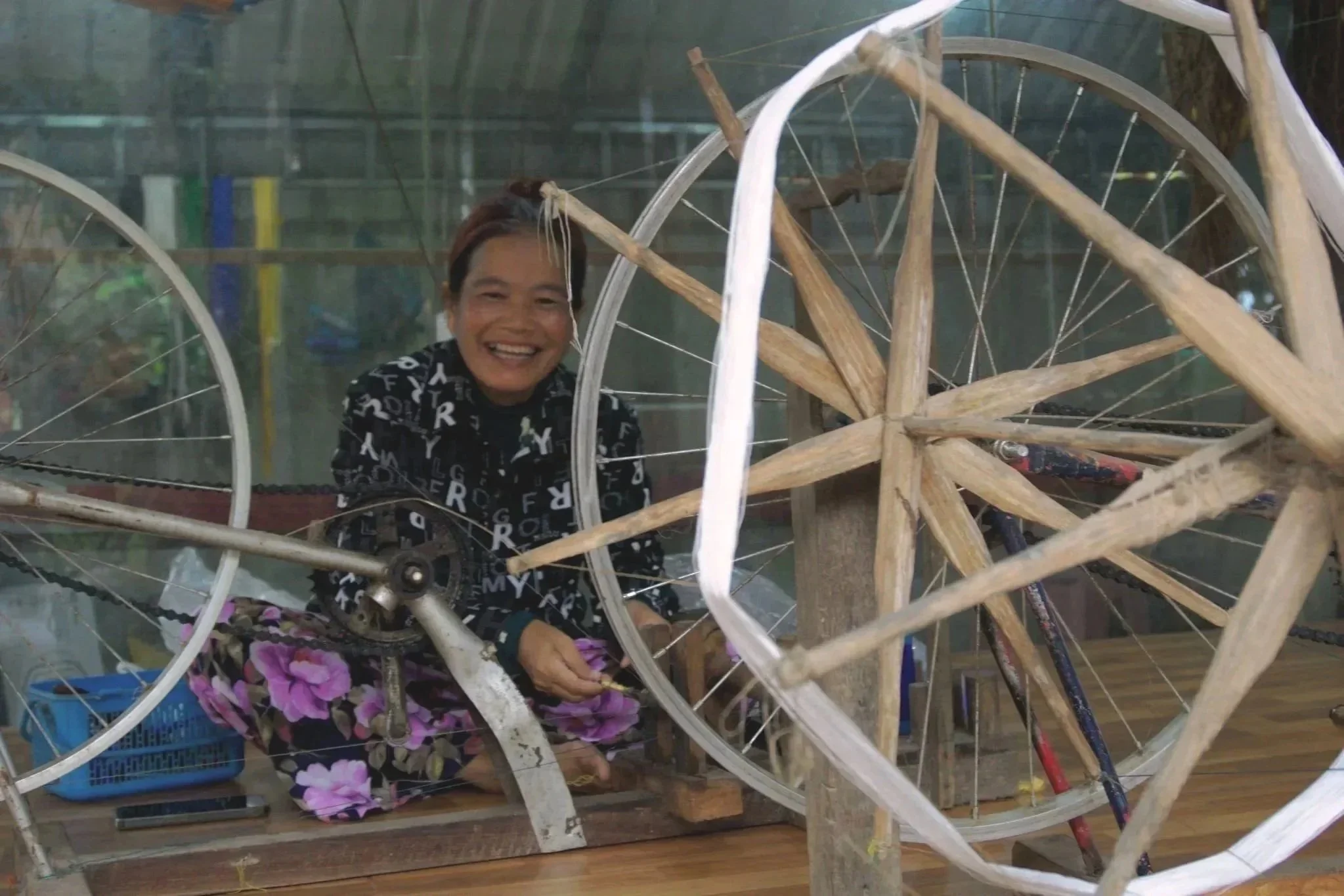
I'll follow the thread by bicycle (and a few trains), to meet the women (and men) who preserve these traditions, and the organizations reinventing them. I want to document the tension between modernity and tradition, build a living archive that roots the future in something real, and understand what these communities' relationship with their own culture can teach us once we take the time to dig below the glossy surface of a touristic experience.
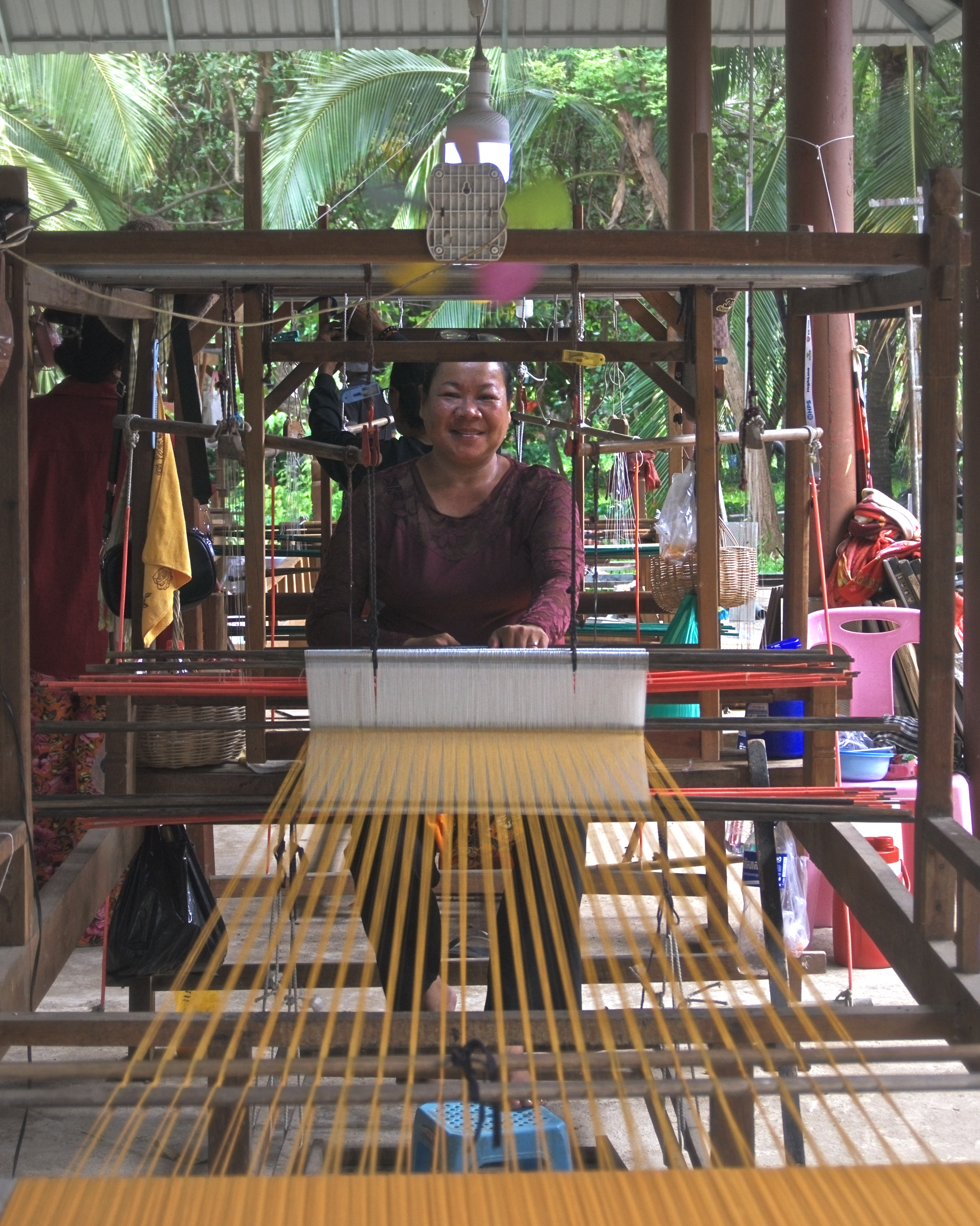
Where dreams meet…
The approach, the goals, the outcomes
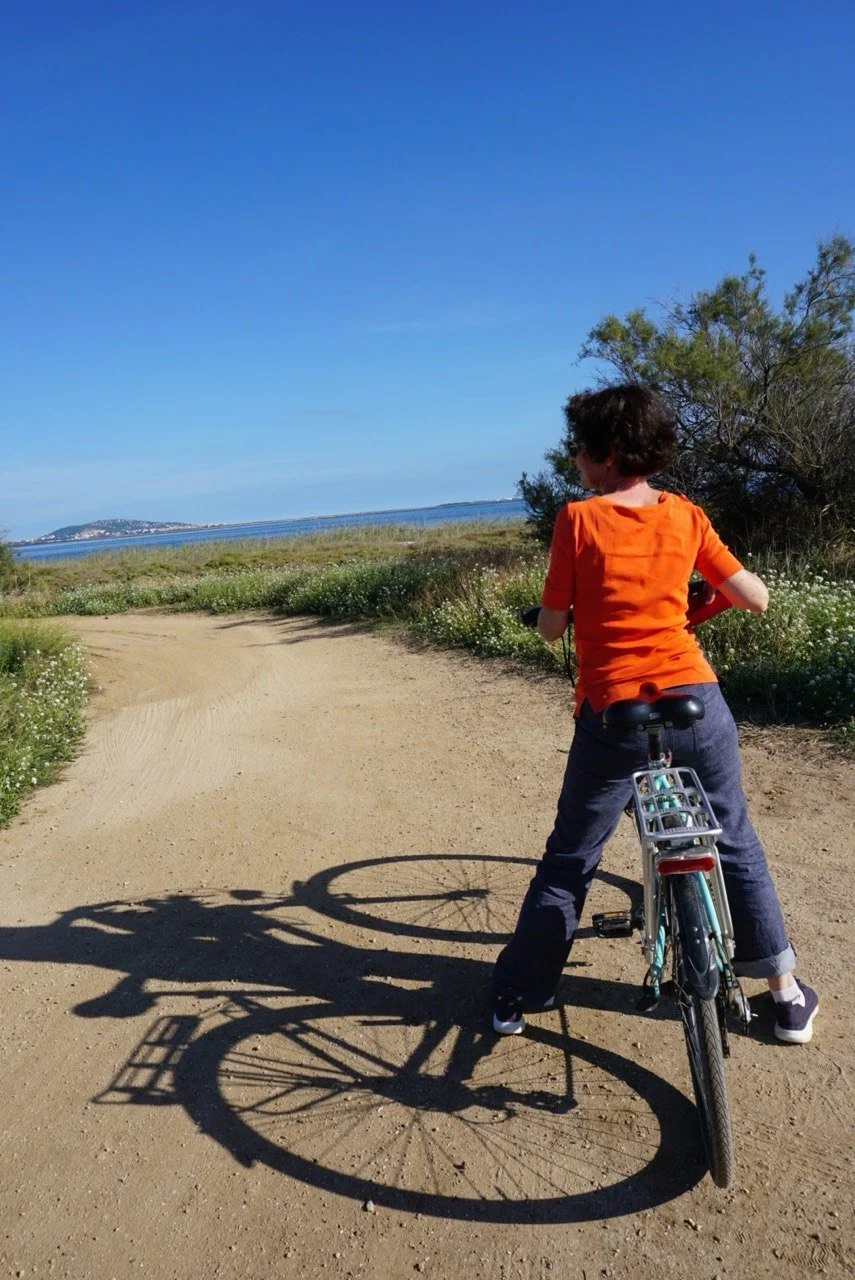
I like it slow. That's the way I roll. By now it's a way of life, a moral, a personality. So the bicycle makes sense. I won't break any records, but I will get lost, and hopefully find deeper meaning and authentic connections by simply being curious, patient and humble in how I approach strangers and try to understand them.
Exploring
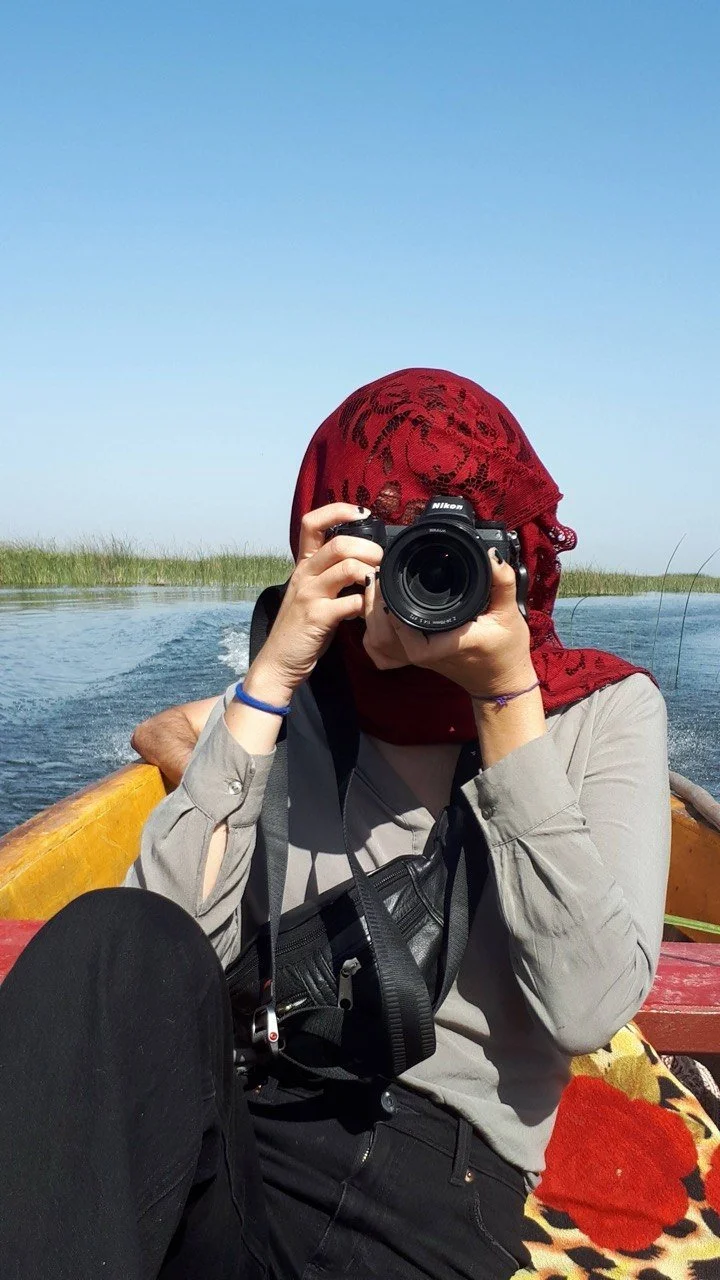
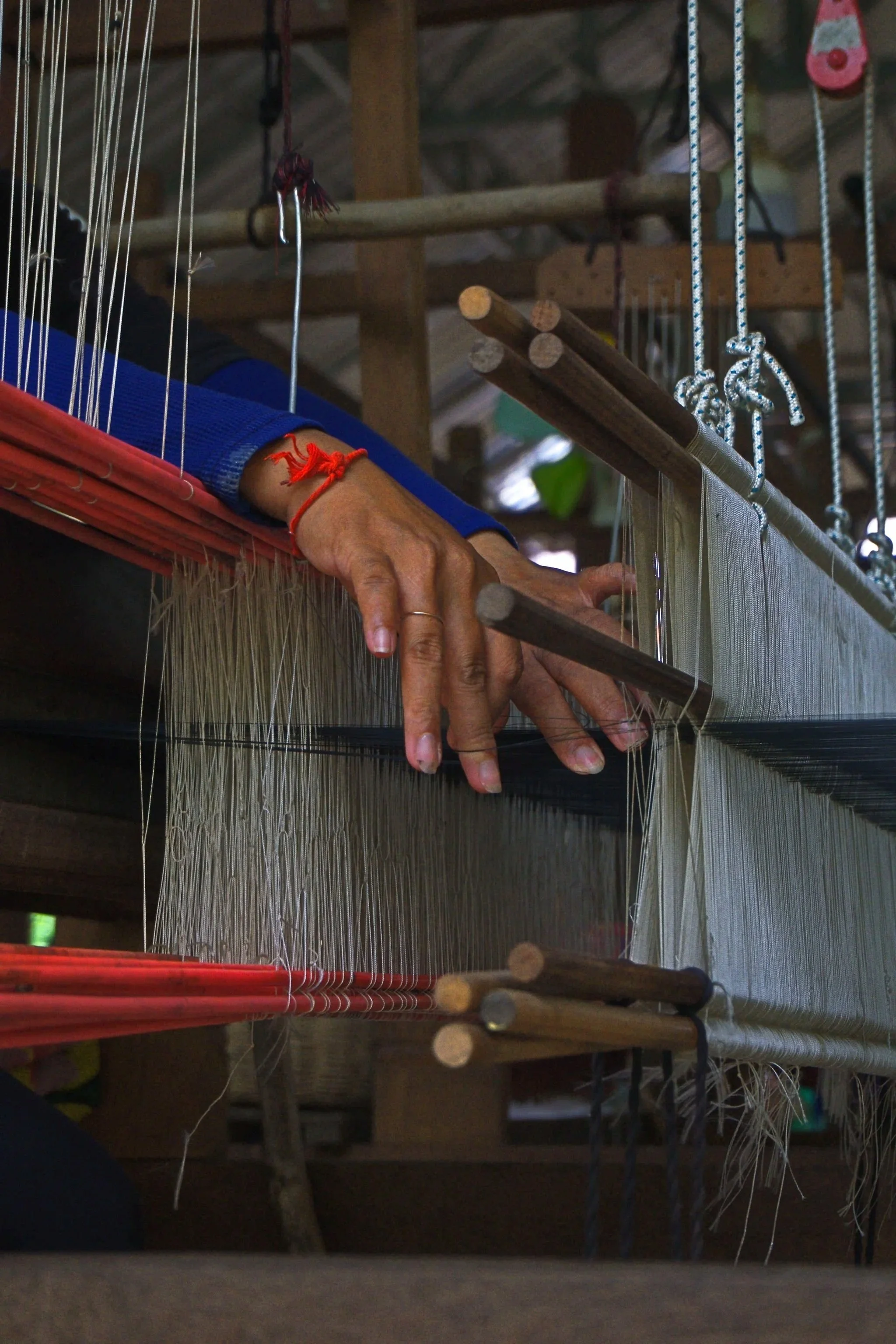
There is beauty everywhere: in an elaborate pattern, in the fluidity of a well-practiced movement, the shifting colors of silk…Through photos and writing I aim to share how I see the world: the textures, contrasts, moments, stories. By the end, I will turn it into a book, a collection of instants rooted in history, a reflection for the future, a celebration of beauty.
Creating

Through my travel I hope to impact minds instead of the planet. I once chose communication as a career believing it was the tool essential to shift mentalities. Now I want to see the way out myself, through a rigorous, low-impact investigation of social representations that can feed the reflection on how to change the system, or at least how to live and think just a step out of the global capitalist market.