

The Cost of Fast Fashion
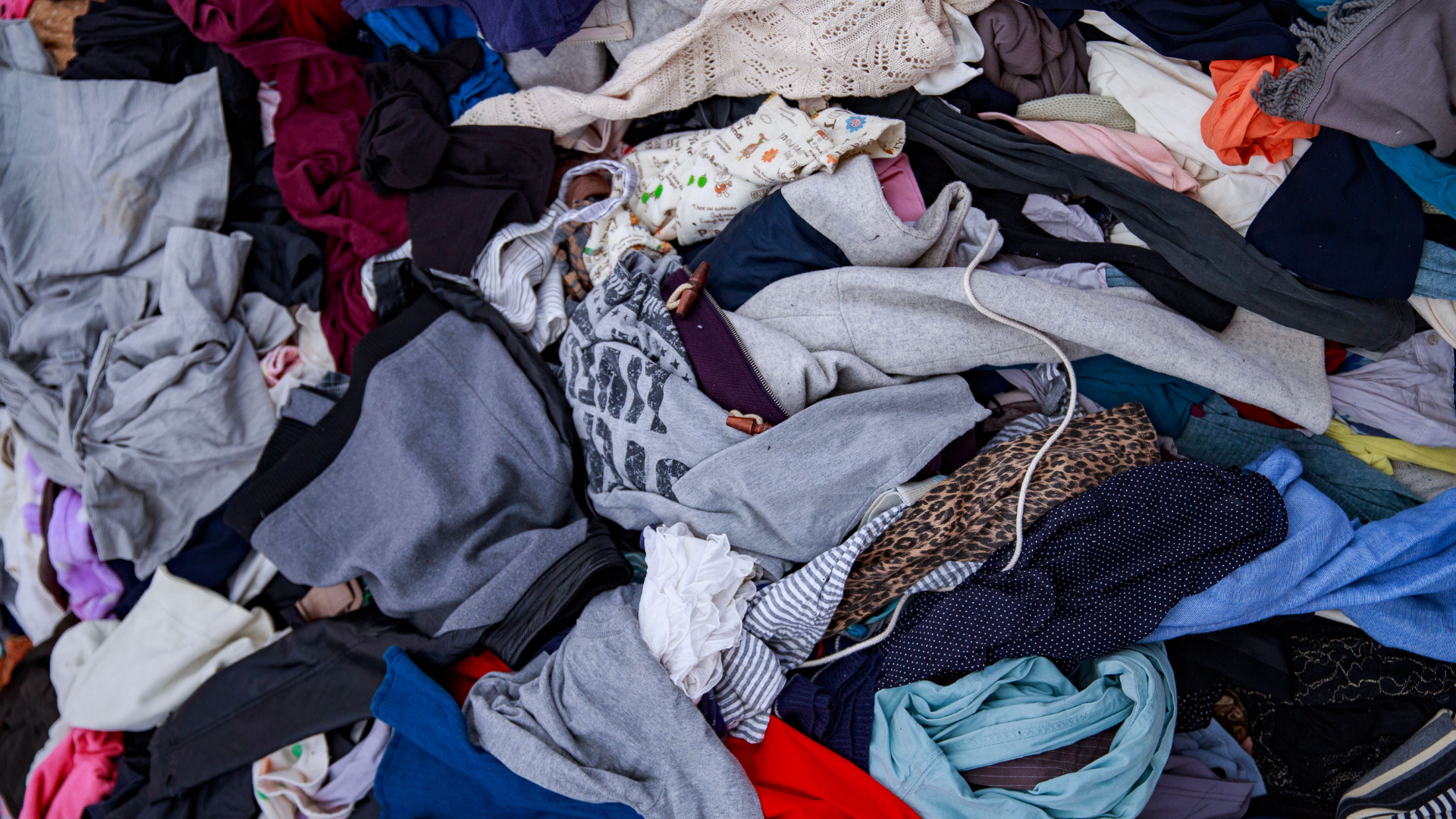
Every second, a garbage truck of clothing is burned or buried.
Fast fashion didn't just change how we dress. It changed what clothing means, and the cost is landing on the planet, and on the people who still make cloth the slow way.⌘ The scale
The fashion industry is responsible for an estimated 2 to 8% of global greenhouse gas emissions, and uses water equivalent to 86 million Olympic-sized swimming pools every year (UNEP, 2025).
Global fiber production hit a record 132 million tonnes in 2024, more than double what it was in 2000, and is on track to reach 169 million tonnes by 2030 if nothing changes (Textile Exchange, Materials Market Report 2025).
Most of that growth is synthetic: polyester alone now makes up 59% of everything produced, and 88% of that is made from fossil fuels, not recycled material (Textile Exchange, 2025).
⌘ What happens to what we throw away
The world generates an estimated 92 million tonnes of textile waste every year. The production doubled between 2000 and 2015 alone, while the average garment is worn 36% less than it was two decades ago (UNEP, International Day of Zero Waste, March 2025).
In 2025, the average EU citizen bought 19kg of clothing, footwear, and household textiles. A record high, up from 17kg just three years earlier (European Environment Agency, March 2025).
Less than 1% of that ever gets turned back into new clothing.
⌘ Resources & Further Reading
For In-Depth Industry Reports & Data:
Pulse of the Fashion Industry Report (Global Fashion Agenda)
UNEP: Sustainability and Circularity in the Textile Value Chain
For Policy & Global Environmental Updates:
For Mindset, Inspiration, & Consumer Action:
Consumed: The Need for Collective Change... by Aja Barber
These numbers describe waste. The rest of this site is about what — and who — gets erased along with it.The Project
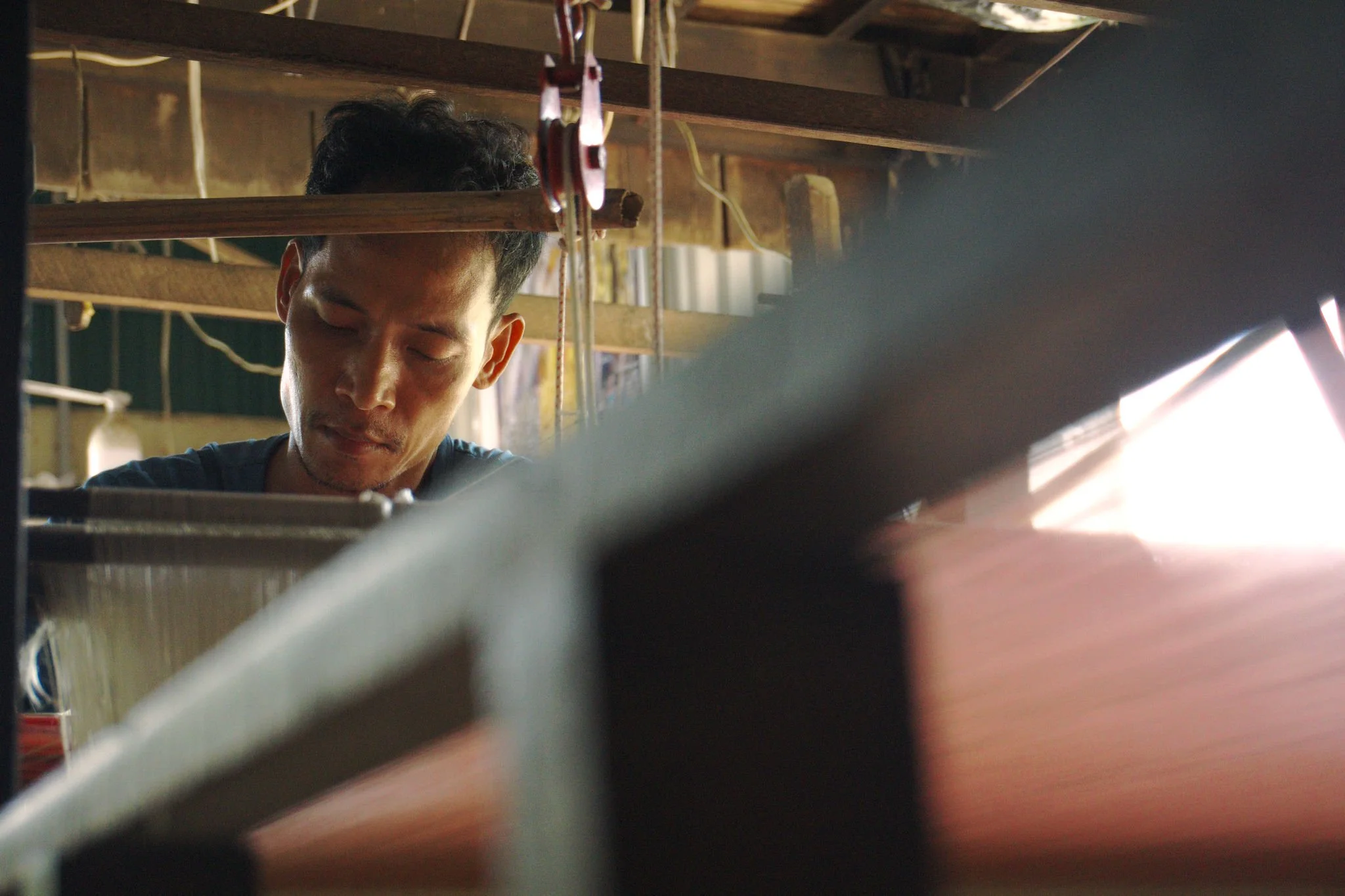
Beyond the effervescence of the fast-fashion market exists quieter, older, slower ways of producing fabrics. Because they are economically unviable compared to the speed and scale of industrial production, these traditions and techniques start to disappear. But what if they still have something to teach us? By exploring the other ways to produce and relate to textiles, I question the meanings we give to these commodities, and seek to highlight alternatives for the future.